My So-Called Adult Life
In a recent session with one of my clients, a 20-year-old college student, she lamented about a 50-something coworker making a lame joke that was “so Boomer.” Clearly she equated “Boomer” with being old, uncool, and irrelevant. When I informed her that someone that age would not be a Boomer but, in fact, Gen X, she was outwardly incredulous. I had to conceal my own incredulity because some quick math in my head revealed that I was on the very thin periphery of those supposedly out-of-touch relics.
Generational differences have always been a topic of conversation, and I remember being a 20-something noob brazenly comfortable in my pop culture know-how and the assumption that there would always be more time. But suddenly I’m in my 40s and I hear myself regularly scolding my 10 year-old to stop calling me and my husband “bro.”
It’s like that scene in Inside Out 2 when Nostalgia makes an appearance and Joy shoos her away because it’s just not time for her yet. How is it possible that I’m at an age when my Nostalgia has settled into her recliner with a cup of tea and a crocheted blanket on her legs, reminiscing about things from (eek!) 20 years ago? (Side note: If you haven’t seen the Inside Out movies yet, do that ASAP.)
In terms of interests and maturity, I’ve tended to lean older, having more in common with people 10-20 years my senior than with my peers. But I still look and act young enough to avoid being called a Boomer (phew, I guess?). This made me wonder about my generational identity and where on the timeline I actually belong, so I did some digging.
According to the Pew Research Center, “generational analysis involves tracking the same groups of people on a range of issues, behaviors and characteristics.” Determining generational lines is a process that includes “a range of factors including demographics, attitudes, historical events, popular culture, and prevailing consensus among researchers.” Inevitably this means that cutoffs are a helpful guide but not “hard-and-fast distinctions.”
Generally, the breakdown looks like this:
- Greatest Generation: Born before 1928
- Silent Generation: 1928-1945
- Baby Boomers: 1946-1964
- Generation X: 1965-1980
- Millennials: 1981-1996
- Generation Z: 1997-2012
- Generation Alpha: 2013-?
New data means that sometimes the cutoffs change, although some researchers argue that no matter where the cutoffs land, “when you were born affects your attitudes, values, and behaviors.” Still, not everyone identifies with their generational label, perhaps most especially those who- like me- were born on the cusps between generations.
Never having considered myself a Millennial, I really connected with this notion of an in-between generation. I came across the term “Xennial,” a so-called microgeneration that captures those of us who were born between roughly 1977-1985. (If microgenerations are real, they run in my family; my parents were born on the Boomer-X cusp and my older daughter will probably one day consider herself a Zalpha.)
Unlike the majority of Millennials, Xennials- also referred to as Generation Catalano- grew up without computers or mobile technology. Most didn’t get their first cell phones until they were in their 20s, and they were the last generation to survive their teenage years without social media.
All of this certainly sounded like me. Google is ubiquitous now, but in high school I was using encyclopedias to do homework. I dressed in white thigh-highs, chunky heeled loafers, and a beret to see Clueless in the movie theater, afterward using a payphone to call a friend’s dad to pick us up. My parents bought our first home computer around 1996, when suddenly the sound of our dial-up modem, followed- 10 minutes later- by the omnipresent “you’ve got mail” became the new soundtrack of our kitchen.
Far from having Google Maps in the palm of my hand, in the early years of my career I was still printing directions from MapQuest ahead of my visits to clients’ homes. Much like my BFF clinging to cassette tapes years after CD players became a vehicle industry standard, I resisted texting as long as I could, convinced that it would never catch on.
Could Xennial be the identity I was searching for? I took a quiz to find out. Here were my results:
“You are a true xennial. Well done. You understand
modern technology but are not so emotionally needy
as to need constant validation from strangers you will
never meet.”
It is true that I escaped the impacts of social media on my developing brain. Social media use has been linked to an increased risk of eating concerns and has been traced to suicidality in young adults. It could be argued that Xennials, who were young adults at the time of 9/11, escaped a Millennial childhood shadowed by war and tragedy. Gen Zers and younger Millennials have also reported more mental health problems compared to older generations, although that could be due to reduced stigma and a greater willingness to report.
And, while I now have a major attachment to my smartphone (which is wild considering I didn't get my first cell until college), I actively seek opportunities to unplug and tune out, perhaps harking back to my early years. Some suggest that the whiplash pace of technological advances and going from an analog childhood to a digital adulthood has made Xennials highly adaptable, and the perfect bridge between Boomers and Gen Zers in the workplace.
Still, the Xennial time period has been marked by its own darkness. I was born during a recession (1982) and came of working age during another (2007), which was already in the midst of a 45-year wage stagnation. Each was considered the worst up to that point, until the next, far worse one arrived. As of 2024, “elder millennials” (aged 35-49) have the highest amount of outstanding federal student loan debt, number of borrowers, and the highest amount of outstanding debt from debt sizes of $100k-$200k, which are the hardest to pay off because of capitalizing interest. And the now-pervasive phenomenon of school shootings started with Columbine in 1999, when I was a high school junior.
If Xennials really are a thing, that means that my husband, Alex- who is 4 years younger than me- and I are on opposite sides of the dotted microgenerational line. It doesn’t sound like a lot, but this meant that while I was starting my first post-college professional job still using a flip phone, he was stealing off to the local Internet café to master his gaming skills. I now rely heavily on Zoom meetings and G-cal, but I still feel much more comfortable writing things down on paper, whereas when Alex gets a new iPhone, he spends hours talking to Siri and learning about all of her features.
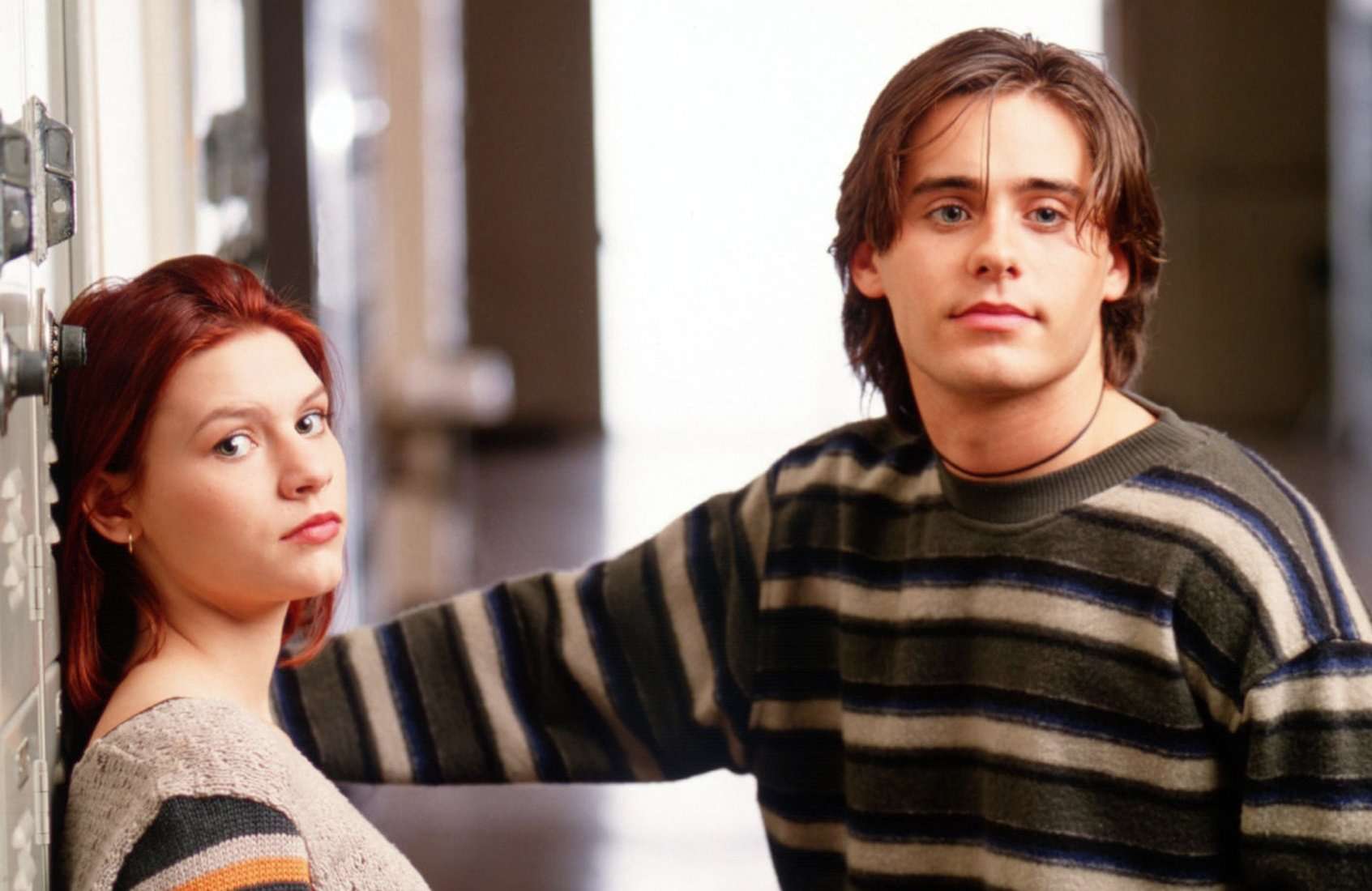
Certainly some of that is the age gap and would be true at any point in time. But earlier exposure during his formative cognitive and social developmental years coinciding with lightning-fast tech advances has to be significant. It is mind-blowing to think that it’s been a million years since humans first used fire for cooking, 200 since the advent of photography, and only 20 since smartphones hit the market. Four years in modern tech time may as well be eons. I don’t have the patience to figure out why Hulu won’t load the next episode of My So-Called Life; I just hand my phone to Alex to fix it.
As I’ve aged, I sometimes feel a world away from younger generations, although I’ve always worked well with kids and teens. Over time I developed a strategy of embracing the gap. I genuinely want to learn from my clients and ask them to teach me. It’s a way of instilling confidence, especially in children, who revel in sharing their knowledge and skills. This is particularly important with the adults in their lives, who are usually the ones in the teaching- AKA power- roles.
In turn, I use my years of life experience to validate and help guide my clients- and my own kids- as they navigate early development and young adulthood. For some, it feels like I’m filling in for a much-needed parental figure. I joke about being old and not having a TikTok account, and ask them what the heck “sus” means. And I just cross my fingers that they don’t ever call me “Boomer.”